The content moderation decisions of social media platforms — the choices about what rules to impose on the speech of their users, and how to judge when they’re broken — has become front page news in the past several years. Much of this work is left up to the platforms themselves, though that doesn’t mean the government has no role.
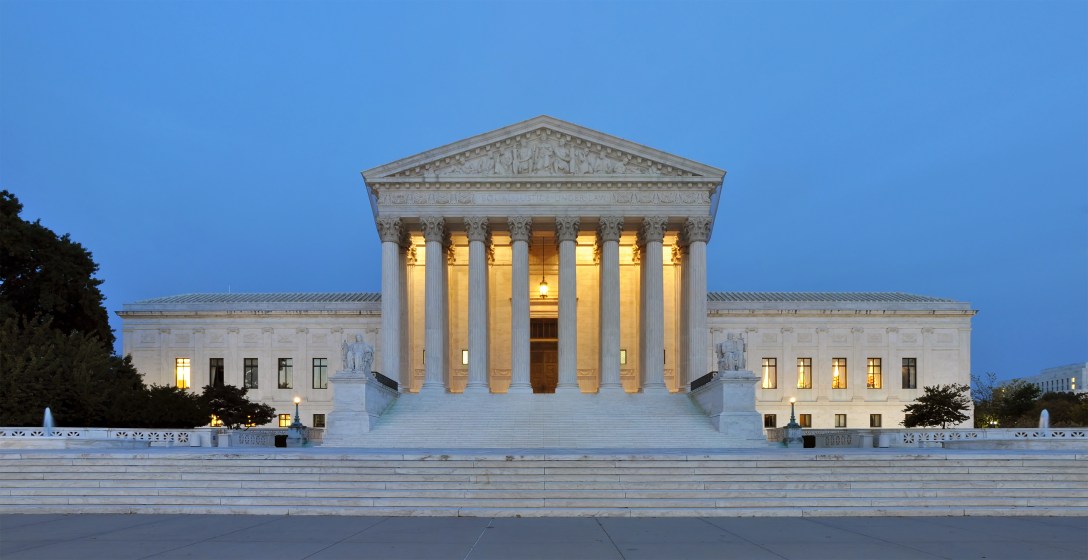
For the current term, in fact, the Supreme Court will decide some of its most consequential cases ever regarding the regulation of internet platforms. These involve questions like the extent to which government officials may try to persuade platforms to restrict speech, and whether states can demand political “neutrality” from platforms in the way they moderate users’ speech. The Court recently already handed down a ruling on the question of when public officials must follow the First Amendment because their use of social media platforms constitutes “state action” — meaning, for instance, that they can’t block critics online simply because they disagree with them.
It is timely, then, that the nonprofit group called the Foundation for Individual Rights and Expression (FIRE) has released its Report on Social Media, which advocates for three principles to guide governments and platforms in “putting theoretical commitments to free speech into practice.” These are:
- The law should require transparency whenever the government involves itself in social media moderation decisions.
- Content moderation policies should be transparent to users, who should be able to appeal moderation decisions that affect them.
- Content moderation decisions should be unbiased and should consistently apply the criteria that a platform’s terms of service establish.
FIRE’s report does a great job articulating and defending these principles and showing how they map a productive path forward for regulating speech online. The first one, for instance, would require that the kinds of government efforts to influence platform content moderation that the Court will evaluate this term must be disclosed to the public. There are some situations where the government should try to advise platforms on what is or isn’t true — we, the public, simply deserve to know about it. FIRE has also published model legislation to this end.
It’s also a great example of the role that nonprofit advocacy organizations play in the public conversation around important policy issues. Not only can this kind of advocacy influence the way journalists write about the relevant issues and provide sources for ordinary people to educate themselves, but things like model legislation can actually affect what laws get passed and what they look like. If you’ve developed strong writing, production, and/or presentational skills in your time studying communication and have a cause that you believe in, then a fruitful career path might lie in this nonprofit world.

 Benjamin A. Medeiros